How Glass Partitions Are Reshaping Modern Spaces
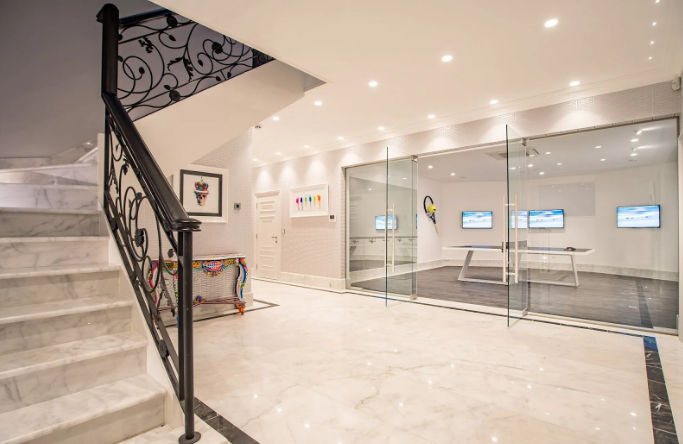
In today’s ever-evolving architectural landscape, few innovations have had as subtle yet transformative an impact as glass partitions St Albans. These sleek, transparent dividers are quietly redefining the way we perceive space, blending form and function in ways that appeal to both aesthetic sensibilities and practical needs. Whether in bustling offices, boutique retail stores, contemporary homes, or public buildings, the use of glass partitions has become a hallmark of modern design thinking.
One of the most compelling aspects of glass partitions is their ability to shape and divide a space without interrupting the visual flow. Unlike traditional solid walls, which can feel bulky or intrusive, glass partitions allow light to permeate throughout the environment. This contributes to a more open, airy atmosphere while still maintaining the necessary separation between different areas. The psychological benefits of this openness are well documented, especially in workplaces where natural light and visual transparency are associated with increased productivity, reduced stress, and greater collaboration.
Glass partitions are not merely about aesthetics; they offer a practical solution to some of the most common spatial challenges. In urban settings where space is often at a premium, creating divisions without sacrificing openness is a delicate balancing act. Glass enables this balance by preserving the perception of space, even in compact environments. The material’s versatility means it can be tailored to various applications—from frameless minimalist panels to bold, industrial-style partitions with black metal frames. This flexibility allows designers and architects to meet the specific needs of a project without compromising on style or performance.
Acoustic control is another area where modern glass partition systems have made significant advances. It’s a common misconception that glass equals noise. With the right specification—such as double glazing or laminated acoustic glass—these partitions can effectively reduce sound transmission, creating private and quiet zones within otherwise open-plan layouts. This is particularly valuable in office environments, where meetings, phone calls, and focused work often require varying degrees of privacy.
Safety, once a concern with large expanses of glass, is now addressed through the use of toughened or laminated safety glass. These materials are manufactured to meet rigorous safety standards, making them suitable for both commercial and residential installations. In the event of breakage, they are designed to minimize the risk of injury, adding a layer of reassurance to their aesthetic appeal.
In residential contexts, the use of glass partitions has grown steadily as homeowners seek to open up their living spaces while maintaining functional boundaries. Kitchens can be subtly divided from dining areas, bathrooms can feel more luxurious and open, and home offices can be separated without the claustrophobia of traditional stud walls. As interior trends continue to favour openness, transparency, and light, glass becomes a natural choice for those seeking elegance and functionality in equal measure.
Retail spaces have also embraced the trend. Glass partitions allow products to be showcased in dedicated areas without cutting off the customer’s line of sight. The transparency supports the modern retail goal of encouraging exploration and interaction, while still allowing for organization and thematic separation. It also creates a sense of sophistication and high-end branding, which is why glass partitions are so commonly seen in designer stores and premium boutiques.
From a sustainability perspective, glass is an environmentally friendly material. It is fully recyclable and its use in interior architecture can contribute to energy efficiency by maximizing the spread of daylight. In well-designed buildings, this can reduce reliance on artificial lighting and help moderate indoor temperatures, particularly when paired with energy-efficient glazing solutions. In this way, the humble glass partition becomes part of a larger narrative about responsible, sustainable design.
Another often overlooked benefit of glass partitions Watford is their role in creating psychological comfort. In healthcare and educational settings, for instance, they can create quiet zones while still allowing visibility for supervision and safety. This sense of transparency and openness can reduce anxiety and promote a more relaxed atmosphere, which is increasingly being recognized as vital in the design of therapeutic and learning environments.
Technology has also enhanced the utility of glass in partition systems. Switchable glass, which can transition from clear to opaque at the flick of a switch, offers dynamic control over privacy and light. It’s an innovation that bridges the gap between the need for discretion and the desire for openness, allowing spaces to adapt in real time. Whether it’s a boardroom that needs momentary seclusion or a private medical consultation room that usually benefits from light and transparency, switchable glass introduces a new level of flexibility.
Moreover, the integration of branding and design elements onto glass partitions has opened up creative possibilities. Logos, patterns, or frosted designs can be applied to the glass surface, making the partition not only functional but also a vehicle for storytelling and identity. In commercial settings, this allows companies to express their brand visually within the physical space, while still maintaining a professional and modern interior design language.
Cleaning and maintenance, often a concern with glass surfaces, are relatively straightforward with the right treatments. Anti-smudge coatings and easy-clean finishes make it simple to keep glass partitions looking pristine. This ease of upkeep adds to their appeal, especially in high-traffic areas where cleanliness is essential to both appearance and hygiene.
It is not difficult to see why the demand for glass partitions continues to grow. They are the perfect blend of elegance and utility—capable of defining space without enclosing it, of offering privacy without isolation, and of delivering style without excess. As design continues to evolve toward more human-centric, adaptable environments, glass partitions will likely remain a central feature of this architectural movement.
In essence, the growing popularity of glass partitions reflects a deeper shift in how we understand and interact with the built environment. It’s no longer just about walls and rooms, but about how spaces can communicate with each other, adapt to our needs, and enhance our experience of daily life. Whether in a home, a workplace, a school, or a public building, the presence of a glass partition speaks to a modern philosophy—one that values light, connection, flexibility, and clarity.
The quiet revolution is underway. You may not always notice the glass partition in a space, but chances are, it’s already shaping the way you move, work, and feel. And that’s the real power of smart, subtle design.