Top Design Trends for Food Kiosks and Store Fixtures
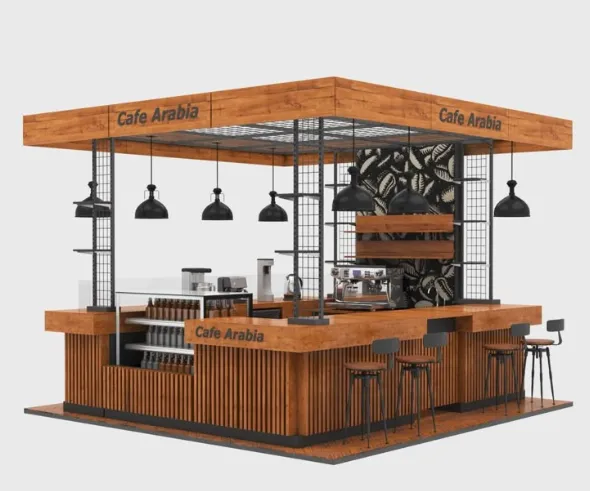
In the fast-paced world of retail and food service, staying ahead of design trends is crucial to attracting customers and enhancing operational efficiency. As we move through 2025, food kiosk owners and retailers alike are prioritizing innovative, functional, and visually appealing setups to remain competitive.
Whether you’re launching a new venture or upgrading an existing setup, understanding the latest design trends in food kiosk layouts and store fixtures can set your brand apart. Let’s dive into what’s hot in 2025 and how you can incorporate these design elements into your business.
Also Read: Built-to-Last Solutions for Heavy-Duty Applications
Why Design Matters for Food Kiosks and Store Fixtures
The way your kiosk or retail setup looks isn’t just about aesthetics—it directly affects customer perception, foot traffic, and sales performance. Modern consumers are visual shoppers. A sleek, functional, and on-brand space will not only attract more people but also improve the overall customer experience.
Designing a visually captivating food kiosk and choosing the right store fixtures can:
- Influence impulse buying behavior
- Enhance brand identity
- Improve workflow and efficiency
- Build trust and loyalty
Now let’s look at the top trends shaping design decisions this year.
1. Minimalist and Modular Layouts
Less is more in 2025. Compact, modular layouts are dominating food kiosk design because they’re easy to adapt and upgrade. These layouts allow you to rearrange components based on seasonal menus or changing customer traffic.
Benefits of a modular setup:
- Space optimization in tight areas
- Flexible design for pop-up or mobile formats
- Easier cleaning and maintenance
Professionals at food kiosk design firms offer customizable modular kiosks that match your brand’s needs without sacrificing efficiency.
2. Sustainable Materials in Store Fixtures
Sustainability isn’t just a buzzword—it’s now a demand. Retailers and food kiosk owners are opting for store fixtures made from eco-friendly materials like recycled wood, bamboo, or biodegradable composites. Not only do these materials reduce your environmental footprint, but they also appeal to eco-conscious consumers.
When sourcing sustainable display solutions, store fixtures experts offer a wide range of green options, combining aesthetics with ethical responsibility.
3. Smart Lighting Integration
Good lighting isn’t just functional—it’s emotional. The right lighting can influence customer behavior, highlight key products, and create a memorable ambiance. In 2025, businesses are investing in LED lighting with dimmable and color-changing features to set different moods based on time or season.
Tips for effective lighting:
- Use spotlighting to draw attention to hero products
- Incorporate under-shelf LEDs for a futuristic look
- Go for warm tones in dining areas and cool tones in display zones
4. Touchless Technology & Digital Displays
As digital transformation continues, interactive and touchless technologies are becoming standard in food kiosks and retail spaces. These innovations not only improve hygiene but also streamline the ordering process.
Popular features include:
- QR code menus and ordering
- Self-service kiosks
- Contactless payment systems
- Digital signage for dynamic menu boards and promos
Modern kiosks from companies like food kiosk vendors integrate digital tech right into their compact structures—creating a smarter and more engaging customer experience.
5. Custom Branding Elements
Personalization is key in 2025. Businesses are infusing custom brand elements into every part of their store fixtures—from engraved logos on wood panels to unique color themes across shelving, counters, and display cases.
Branded design elements help:
- Build visual consistency across locations
- Reinforce customer loyalty
- Make your kiosk instantly recognizable
With options from store fixtures, you can create a signature look tailored to your brand’s identity and product type.
6. Ergonomic Workspaces for Staff
Efficient back-of-house design is as important as the front. Ergonomics play a big role in employee productivity and safety. Features like adjustable shelving, anti-fatigue flooring, and strategically placed appliances help reduce physical strain for staff working long hours in tight spaces.
Designing with staff in mind also leads to:
- Faster service times
- Fewer workplace injuries
- Improved morale and retention
7. Open-Kitchen Concepts
Customers love transparency, and the open-kitchen design trend continues to thrive. In food kiosk setups, an open view of the food prep area builds trust and offers visual entertainment that enhances the overall experience.
This trend also allows:
- Better ventilation and lighting flow
- Seamless interaction between customers and staff
- Real-time quality assurance
8. Flexible Display Fixtures
Retailers and kiosk operators are moving toward adjustable, reconfigurable store fixtures to keep up with fast-changing inventory and promotions. Features like movable shelves, rotating product stands, and collapsible racks are gaining popularity for their versatility.
Advantages include:
- Rapid updates to product displays
- Seasonal flexibility
- Easier deep-cleaning routines
If you’re sourcing commercial display units, check out store fixtures specialists for durable and versatile options tailored to retail and F&B needs.
9. Biophilic and Natural Elements
Adding greenery or natural textures can dramatically improve the feel of your space. Biophilic design—incorporating elements of nature into indoor spaces—is trending across the retail and food industry.
Ways to apply it:
- Use wooden textures and earthy tones
- Add hanging plants or vertical gardens
- Incorporate water features or soft natural lighting
These touches make your food kiosk feel more inviting and promote customer relaxation, which can lead to longer visits and higher sales.
10. Seamless Storage Solutions
Storage is a constant challenge in compact spaces. In 2025, hidden and integrated storage is in vogue. Think multi-purpose counters with built-in drawers or seating that doubles as storage.
This improves:
- Clutter-free presentation
- Faster access to supplies
- Efficient use of vertical space
When planning your kiosk or retail layout, work with professionals who understand how to blend functionality with sleek aesthetics, like those at food kiosks.
Final Thoughts
As customer expectations evolve, food kiosk and retail owners must stay on top of design trends to stay relevant. From modular layouts to eco-friendly materials and digital integrations, these 2025 design trends will help create modern, efficient, and customer-friendly spaces.
Whether you’re launching your first food kiosk or rebranding your retail presence with new store fixtures, investing in thoughtful design is no longer optional—it’s essential for success in today’s competitive landscape.